Language and Gender Roles in Filipino Society

Language and Gender Roles in Filipino Society

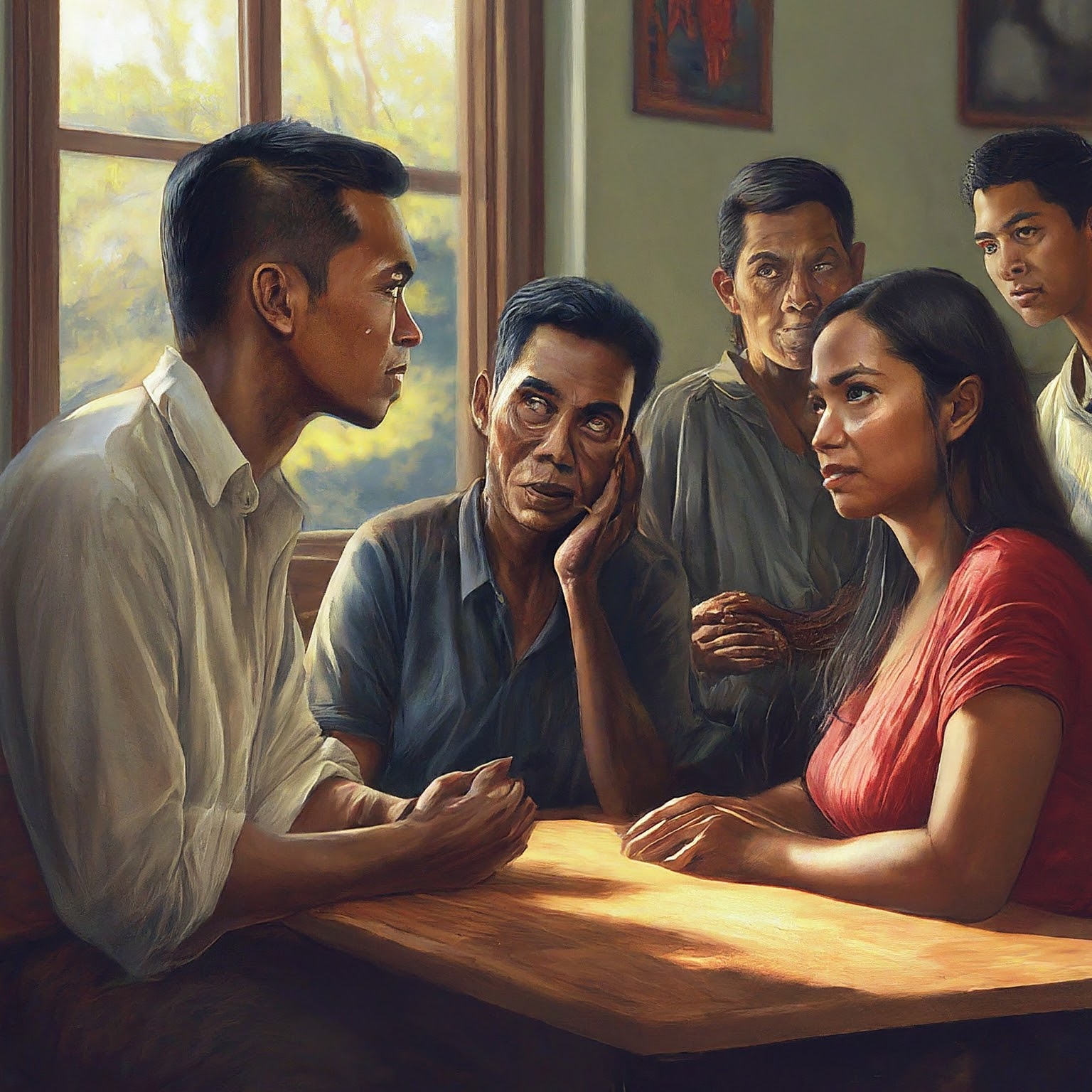
Spanish colonization had a significant influence on gendered language and societal expectations in the Philippines. Traditional gender roles portray men as primary providers and decision-makers. Language within the family reinforces traditional gender roles and expectations. Language in media shapes societal perceptions of gender and can perpetuate harmful stereotypes or promote equity. Historical Influence on Gendered … Read more

Language Preservation Efforts in the Philippines

preserving indigenous philippine languages

Language preservation is crucial for safeguarding the cultural heritage and traditions of indigenous communities in the Philippines. Factors such as globalization, urbanization, and the dominance of other languages contribute to the endangerment of indigenous languages. Documentation and archiving initiatives, collaboration with linguists, and the digitization of materials are important for preserving endangered languages. Community engagement, … Read more

The Evolution of Filipino Writing Scripts

filipino writing scripts evolution

Baybayin was an ancient writing system used by early Filipinos for various purposes, including record-keeping, poetry, and letters. Spanish colonization led to the decline of Baybayin and the introduction of the Latin alphabet in the Philippines. The Latin alphabet gradually replaced Baybayin and became the predominant script used in the country. Efforts are being made … Read more

Filipino Poetry and Literary Traditions

exploring filipino literary heritage

Filipino poetry has a long and diverse history, influenced by indigenous, Spanish, and American traditions. Themes commonly explored in Filipino poetry include love, patriotism, nature, and social issues. Filipino poets have received recognition and awards both nationally and internationally. Filipino poetry plays a significant role in preserving and promoting Filipino cultural heritage, shaping national identity, … Read more

The Role of Language in Filipino Identity

The Role of Language in Filipino Identity

The Austronesian language family has shaped the linguistic landscape of the Philippines, with diverse languages reflecting a mix of roots and local influences. Indigenous languages play a crucial role in preserving cultural identity and heritage, with the Baybayin script being integral in recording cultural knowledge before colonization. Spanish colonization had a significant impact on Filipino … Read more

The Influence of American English on Filipino

american english in filipino

United States colonization of the Philippines introduced the English language, leading to changes in education, governance, and social structures. The fusion of Filipino and English cultures created Taglish, a unique blend of languages in everyday conversations, media, and literature. English has been incorporated into the curriculum, emphasizing English competency and critical thinking skills in Filipino … Read more

The History of Filipino Language Development

The History of Filipino Language Development

The Filipino language traces its roots to ancient Austronesian settlers from Taiwan. Spanish colonization had a significant influence on the Filipino language, introducing Spanish loanwords and impacting syntax, grammar, and vocabulary. Tagalog, the basis for the Filipino language, emerged as a distinct language influenced by various cultures such as Bahasa Indonesia, Chinese, Sanskrit, and Spanish. … Read more

Filipino Body Language and Non-Verbal Communication

understanding filipino non verbal cues

Filipino culture heavily relies on non-verbal communication, with up to 60% of the overall message being conveyed through gestures and facial expressions. Understanding Filipino body language is crucial for effective communication and respect for cultural norms. Common non-verbal cues in Filipino culture include the gestures of pagmamano (showing respect to elders), the ‘Bill, please’ gesture … Read more

Tagalog Vs. Filipino: Understanding the Difference

Tagalog Vs. Filipino: Understanding the Difference

Tagalog and Filipino are related but distinct languages, with Filipino being a more inclusive and widely spoken language. Filipino incorporates words from Tagalog, Spanish, and English, allowing for transliteration and integration of foreign words. Tagalog is more formal and traditional in usage, while Filipino has a more open vocabulary influenced by Western languages. The use … Read more

Filipino Songs and Language Expression

Filipino Songs and Language Expression

Filipino songs play a significant role in shaping the everyday usage and expression of the Tagalog language. The use of phonological elements, such as minimal pairs and reduplication, in Tagalog songs creates poetic effects and showcases the linguistic richness of the Filipino language. OPM songs serve as a platform for social awareness and expression, addressing … Read more